I can’t confirm the terms, signatories or timing of an Oman and Saudi Energy Cooperation Agreement, and neither can the verified record, so readers deserve that clarity up front. What is documented is how Oman structures energy partnerships. On 16 September 2026, Oman and Thailand signed a Memorandum of Understanding (MOU), a framework agreement that sets out areas of cooperation without binding either side to specific investments. Engineer Salim Al Aufi, Oman’s Minister of Energy and Minerals, signed for Oman, and Akanat Promphan, Thailand’s Minister of Energy, signed for Thailand. The MOU covers joint investment, technology and expertise exchange, training and the development of joint projects. It also creates the Oman-Thailand Energy Policy Dialogue, a standing platform to identify projects and plan long-term engagement. No financial terms have been disclosed. For industrial and sustainability professionals tracking Oman and Saudi Arabia relations, that model is the best available guide to what an energy agreement means in practice, and this article uses it to show what to look for as details emerge.
What Changed: Reading the Oman and Saudi Energy Cooperation Agreement in Context

Readers searching for the Oman and Saudi Energy Cooperation Agreement are following a topic that, as of writing, has no published detail attached to it. No verified signing date, financial or investment terms, or project list for an Oman-Saudi agreement was available. Anything beyond that would be speculation, so this article keeps to what can be confirmed.
The distinction between agreement types matters here. A memorandum of understanding (MOU) is a non-binding framework that sets out the intent of two parties to cooperate. A binding agreement creates enforceable obligations, such as defined investment commitments or delivery terms. If you are unfamiliar with what MOUs are the short version is that they signal direction and open channels for consultation, but they do not by themselves commit funds or fix project timelines. Headlines about “energy cooperation” often describe this earlier, framework stage.
At an evergreen level, the broader relationship rests on solid ground. Oman and Saudi Arabia are neighbouring members of the Gulf Cooperation Council, and both have a clear interest in energy development and economic diversification. That shared context explains why energy cooperation between them is a natural subject of attention. It does not, on its own, confirm any specific recent agreement or its content.
Key Developments: How Oman Is Structuring Energy Cooperation in 2026
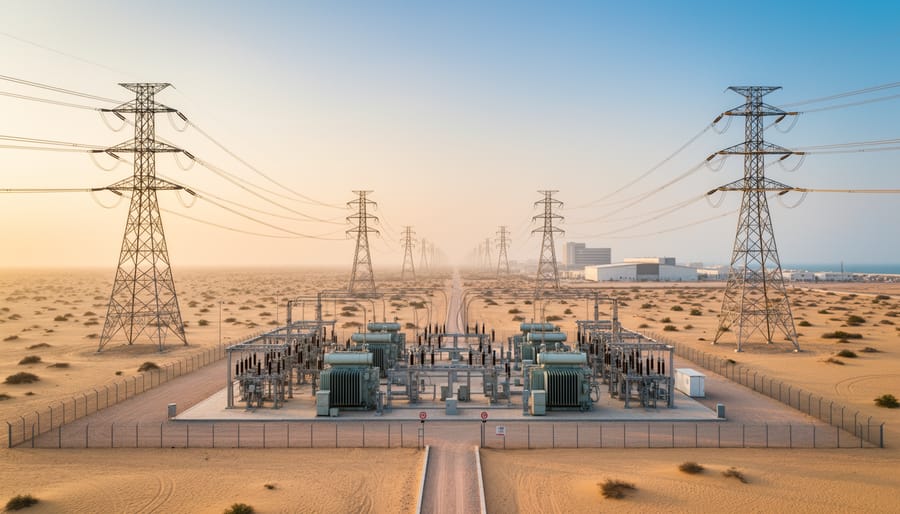
1. Oman Signs an Energy Cooperation MOU With Thailand
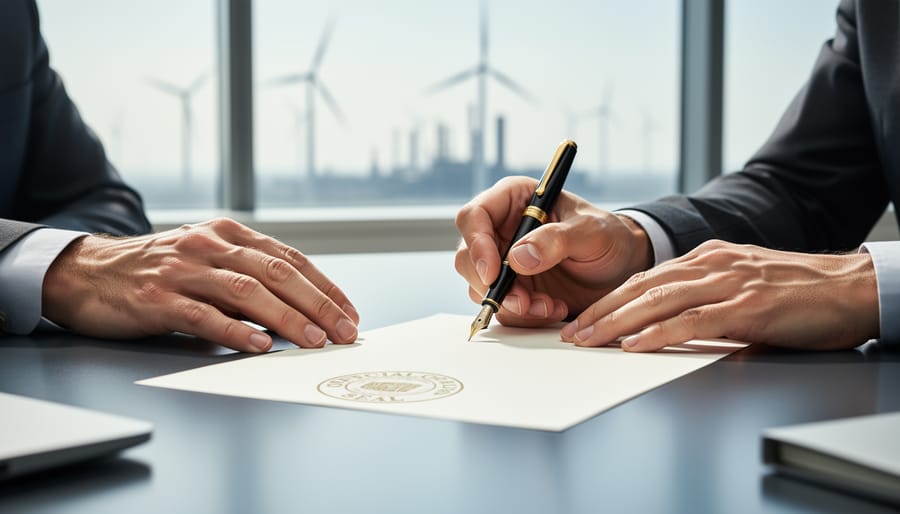
On 16 September 2026, Oman and Thailand signed the MOU to develop energy cooperation between the two countries. The memorandum is a framework for working together, not a binding contract, and it is the most clearly documented energy agreement in Oman’s current diplomatic activity.
Engineer Salim Al Aufi, Minister of Energy and Minerals, signed on behalf of the Government of Oman. Akanat Promphan, Minister of Energy, signed for the Government of Thailand.
The stated aims are to expand opportunities for partnership and joint investment, exchange expertise, knowledge and technologies, and support the development of the energy sector. No financial or investment terms have been disclosed, so readers should not assume committed funding or project values at this stage.
This is an Oman-Thailand agreement, not an Oman-Saudi one. Still, it shows clearly how Oman structures energy partnerships.
2. Partnership, Joint Investment and Technology Exchange Are Prioritised
The Oman-Thailand MOU puts partnership first. It aims to expand energy cooperation through joint investment, a shared pool of expertise and knowledge, and technology exchange that supports energy sector development. The areas of cooperation it names are:
- Encouraging investment between the two countries.
- Strengthening bilateral consultations.
- Regularly exchanging policies and best practices.
- Sharing technologies, information and data.
For industrial operators, this matters in practical terms. Joint investment tends to widen the pool of capital and partners behind energy projects, which can influence the cost and availability of power. Technology exchange gives engineers a route to proven efficiency methods rather than starting from scratch. Regular sharing of data and best practices helps plant managers benchmark their own energy and water use against wider regional experience. None of this is a commitment to specific projects, and no financial terms have been disclosed. Still, it signals the direction Oman’s energy partnerships are taking, and the same framework is the one to expect in any future Oman-Saudi arrangement.
3. Training, Skills Development and Joint Project Operation Are Built In
The Oman-Thailand MOU does more than set a policy direction. It builds people and project delivery into the framework. Its provisions cover training and knowledge transfer, skills development, and the operation and development of joint projects in the energy sector.
That emphasis reflects how energy and water assets actually perform. A well-designed plant still depends on trained operators and engineers to run it efficiently, and the gap between a design on paper and real performance is usually a matter of workforce capability. Skilled teams hold energy use down, cut unplanned downtime, and keep treatment systems within specification, and each of those gains lowers cost per unit of output.
For industrial operators, joint operation also means shared know-how moves across borders rather than staying with equipment suppliers. Any similar arrangement, including one involving Saudi Arabia, would likely rely on the same logic: capital and technology matter, but people determine long-term results.
4. The Oman-Thailand Energy Policy Dialogue Becomes the Delivery Platform
The MOU creates the “Oman-Thailand Energy Policy Dialogue,” and this is where the agreement moves from intent to delivery. Rather than leaving cooperation as a list of aspirations, the energy policy dialogue framework serves as an institutional platform with three practical jobs: identifying joint projects, developing a long-term programme for cooperation and engagement, and determining the support required to implement those projects successfully.
For industrial operators, this structure matters. A standing platform gives projects a clear route from idea to execution, and it keeps both governments accountable for removing barriers along the way.
It is also a useful reference point for readers following Oman-Saudi Arabia relations. If Oman and Saudi Arabia formalise energy cooperation, a similar consultation-led model is a reasonable expectation, given how Oman has organised its 2026 partnership with Thailand. That is an inference about structure, not confirmation that an Oman-Saudi arrangement exists. Any specifics should come from official announcements.
Why It Matters for Industry, Water and Sustainability Leaders
Energy cooperation between Gulf neighbours rarely stays confined to the energy ministry. When governments align on power, fuel and investment priorities, the effects reach industrial operators in the form of electricity costs, project pipelines and the pressure to use resources more efficiently. For anyone running a refinery, a manufacturing plant or a utility, that makes regional energy diplomacy a planning input, not background noise.
The link to water is direct. Energy-intensive industries consume large volumes of water and generate wastewater that must be handled responsibly. As cross-border collaboration encourages joint investment, technology exchange and skills transfer, as the Oman-Thailand MOU does in its own context, demand tends to grow for efficient operations. That includes industrial wastewater treatment that meets regulatory expectations and keeps plants running without interruption.
From a global sustainability perspective, the same logic applies everywhere: cheaper, more secure energy supports reuse, and reuse lowers both freshwater intake and discharge. Operators who treat effluent as a resource, as explained in this look at water recycling profit are better placed to control costs regardless of how regional policy evolves.
For procurement specialists and engineers, the practical steps are straightforward. Monitor official announcements from energy and water authorities rather than relying on speculation. Audit current energy and water use in existing operations to find quick efficiency gains. And build a clear picture of treatment and recycling capacity now, so your organisation can respond quickly when confirmed opportunities appear.
What to Watch Next in Oman-Saudi Energy Cooperation
Readers following Oman-Saudi energy cooperation are best served by watching official channels rather than speculation. Announcements from Oman’s Ministry of Energy and Minerals, and from the corresponding Saudi ministry, are the reliable source of confirmed terms. Until those appear, treat any reported detail with caution.
The Oman-Thailand MOU offers a useful yardstick for what a substantive framework looks like. It created a standing policy dialogue, covered training and technology exchange, and set out how joint projects would be identified. If an Oman-Saudi arrangement emerges, look for similar building blocks:
- Official statements from the relevant energy ministries confirming what has been agreed.
- A dialogue or working-group mechanism that sets up regular bilateral consultation.
- Identification of specific joint projects, rather than general statements of intent.
- Provisions for training, skills development and technology transfer.
- Disclosure of investment terms, which have not been published even for the Thailand MOU.
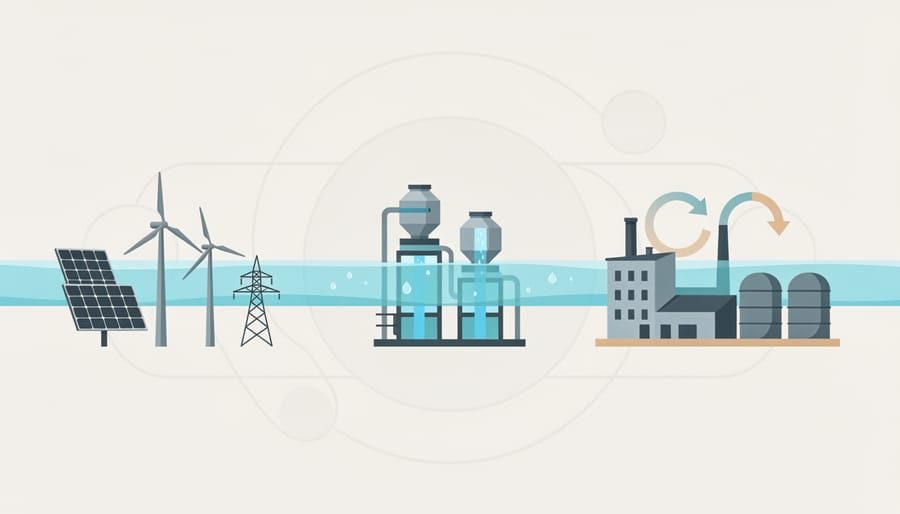
For water and environmental professionals, the practical signal is project demand. Energy-intensive industries generate wastewater and depend on reliable water supply, so any cross-border investment in energy tends to raise the need for efficient treatment and reuse. Keep an eye on how announcements mention sustainability, since that shapes where engineering and procurement opportunities are likely to appear.
Frequently Asked Questions About Oman-Saudi Energy Cooperation
Is there a confirmed Oman and Saudi Energy Cooperation Agreement?
Our verified research does not include a published Oman-Saudi agreement, so the signing date, financial terms and project list remain unconfirmed. Treat any specifics you see elsewhere with caution until Oman’s Ministry of Energy and Minerals or Saudi counterparts publish them.
What is an MOU, and is it binding?
A memorandum of understanding sets out intent to cooperate and is generally a non-binding framework, unlike a binding agreement with enforceable obligations. If you want to see how such frameworks translate into delivery, this overview of MOU renewable projects is a useful starting point.
What does the 2026 Oman-Thailand MOU tell us about Oman’s approach?
It shows a consistent model: joint investment, technology and knowledge exchange, training, and a standing policy dialogue to identify joint projects. That is a documented Oman-Thailand arrangement, not evidence of what an Oman-Saudi framework contains.
How could energy cooperation affect industrial water and wastewater projects?
Closer energy collaboration can influence power costs and project pipelines, which in turn shapes demand for efficient water reuse and wastewater treatment in energy-intensive operations. No specific water projects have been confirmed under an Oman-Saudi arrangement.
For the most reliable updates, follow official announcements rather than secondary summaries, and review the energy and water efficiency of your own operations now so you are ready when concrete details emerge.
The Oman and Saudi Energy Cooperation Agreement is best followed through official channels. Until Oman’s Ministry of Energy and Minerals or its Saudi counterparts publish details, treat any specifics about terms or timing with caution.
What is documented is the model Oman uses. Its 2026 MOU with Thailand rests on bilateral consultation, joint investment, skills transfer and a standing policy dialogue to identify and deliver joint projects. Any future Oman-Saudi arrangement may well follow a similar logic, though that remains to be confirmed.
For industrial decision-makers, the practical takeaway is encouraging. Regional cooperation tends to reward operators who already run efficiently. Reviewing energy and water use today, from wastewater treatment to water recycling, positions your operations to benefit from whatever partnerships emerge, while cutting costs and environmental impact in the meantime.
If you’re planning that review, Energy & Water Oman can help with wastewater treatment, water recycling and sustainable energy solutions tailored to your site.